
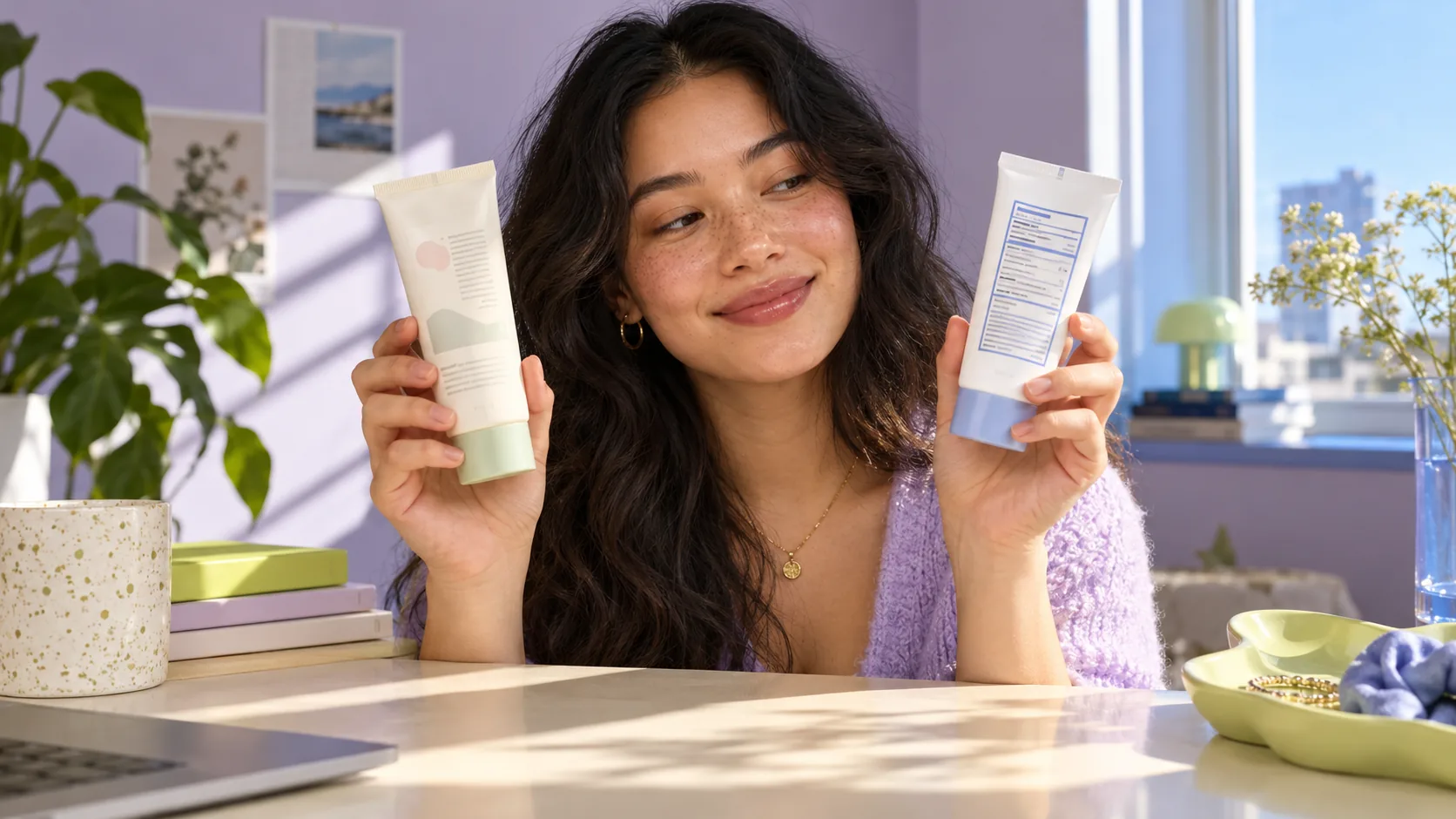
Read the two systems separately
The PA system was developed in Japan and appears on many Korean sunscreens. PA++++ corresponds to a measured UVA protection factor of 16 or more under the Japan Cosmetic Industry Association standard. It is a category, not a promise that every PA++++ product offers the same exact UVA factor. SPF primarily measures protection against sunburn, which is chiefly caused by UVB exposure.
A US broad-spectrum claim is based on a different test and label framework. You cannot convert a PA grade into a US broad-spectrum claim or assume that SPF 50 in one market means the same formulation is sold in another. Protection also depends on applying enough product and reapplying as directed.
What a US shopper should check
In the United States, sunscreen is regulated as an over-the-counter drug. Check the exact pack for Drug Facts, active ingredients, broad-spectrum language, SPF, directions and warnings. The American Academy of Dermatology recommends broad-spectrum SPF 30 or higher. Water-resistant products state 40 or 80 minutes; no sunscreen is waterproof.
If you are shopping on a Korean marketplace or while travelling, confirm the country version and the product's intended market. An imported cosmetic listing, a translated product name or a familiar tube design is not enough to establish that a sunscreen has a US Drug Facts label. Choose shade and protective clothing as part of sun safety, too.
One brand, different market formulas
Beauty of Joseon's Day Dew is a useful US example because the official page identifies it as a US-market sunscreen and lists avobenzone 3%, homosalate 7%, octisalate 5% and octocrylene 5% as actives. The brand describes broad-spectrum SPF 50 and 80-minute water resistance. It says Day Dew differs from its overseas Relief Sun product; do not swap their ingredient lists or filter claims when comparing reviews.
The best sunscreen is one you can apply generously and reapply. Texture preferences matter, but a skincare-style finish does not alter the label's usage instructions. Compare current packaging because formulas, stock and market availability can change.
Use a scan to translate, then verify
Project Glow's product scanner can help translate a Korean or Japanese label and explain the listed filters or claims in context. It cannot independently verify an SPF test, authenticate a batch or certify US regulatory status from a product photo. When a claim needs an exact market label, the physical pack and current official source take priority.
Products in this guide
A real US product photograph illustrates the market-specific label check. This is an editorial example, not a ranked sunscreen recommendation.
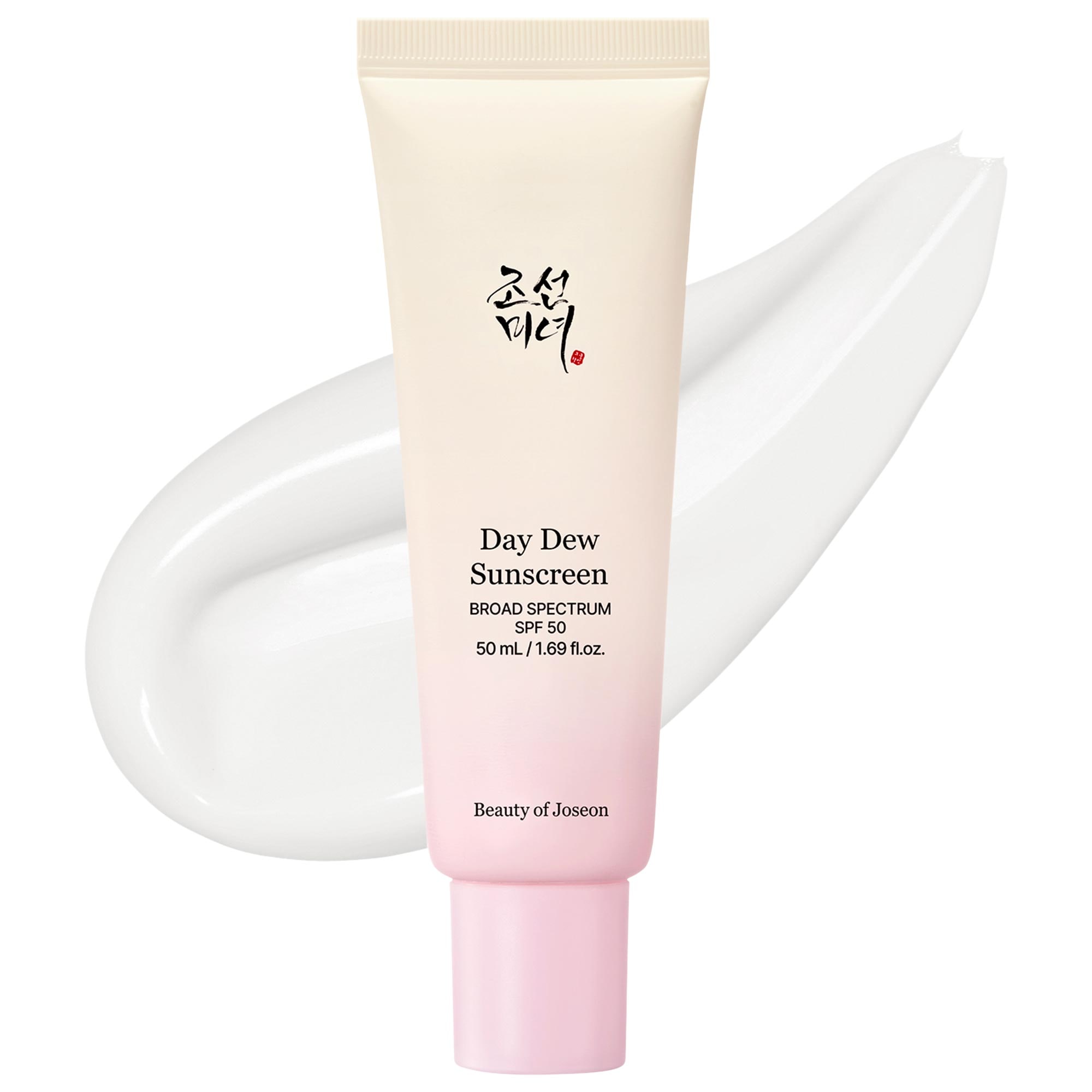
A US-market broad-spectrum SPF 50 example. Its published active ingredients are avobenzone 3%, homosalate 7%, octisalate 5% and octocrylene 5%. The brand lists 80-minute water resistance. Check the Drug Facts on the pack you buy.
Official Sephora / Beauty of Joseon page ↗Product photo: Sephora / Beauty of JoseonKeep exploring
Frequently asked questions
What does PA++++ mean on Korean sunscreen?
It is the highest PA tier in the Japanese UVA grading standard, corresponding to a tested UVA protection factor of at least 16; it does not describe one exact protection factor.
Is PA++++ the same as broad spectrum in the US?
No. The systems use different tests and labels. For a US purchase, check the product's own broad-spectrum claim and Drug Facts.
Can I use a Korean sunscreen bought overseas in the US?
A consumer should check the exact product, seller, label and local guidance. An overseas PA or SPF mark alone does not establish that it is a US-market sunscreen.
Does water resistant mean waterproof?
No. US labels may state 40 or 80 minutes of water resistance; follow reapplication directions, especially after swimming or sweating.
Sources and further reading
- Japan Cosmetic Industry Association: PA grading standard
- FDA: sunscreen label requirements
- FDA: sunscreen and sun protection
- FDA: questions and answers on US sunscreen regulation
- AAD: how to apply sunscreen
- Beauty of Joseon: Day Dew US formula and directions
Sources checked 2026-10-18. This article is general education, not a diagnosis or individual treatment plan. Ask a qualified clinician about persistent symptoms, pregnancy or medication questions.